A Sweet Slice of History
If you grew up in a home where baking meant love, there’s a good chance you’ve smelled this cake before. The warm scent of butter and sugar blending in the oven, the gentle hum of a hand mixer, and that golden crust forming on top — it’s the kind of memory that never fades. The 1 2 3 4 Cake has been around for more than a century, and even though trends come and go, this simple cake remains a quiet legend in home kitchens.
What makes it special isn’t just its flavor — it’s the story it carries. This cake was designed to be remembered, passed down by memory alone, no cookbook required. Its name is its recipe: 1 cup of butter, 2 cups of sugar, 3 cups of flour, and 4 eggs. You don’t need fancy equipment, just a mixing bowl, a wooden spoon, and maybe a little patience.
Today, you’ll rediscover why this cake has stood the test of time — from its humble origins to the foolproof formula that’s still teaching new bakers the joy of simple ingredients done right.
What Is the 1 2 3 4 Cake?
The 1 2 3 4 Cake is the definition of old-fashioned comfort. It’s part of a long line of American butter cakes that became popular in the late 1800s, right when home baking was finding its rhythm.
The beauty of this cake lies in its name — the numbers are your guide. Early home bakers didn’t always write recipes down, so they created ones that were easy to memorize. This one was foolproof. Even without measuring cups or electric mixers, anyone could remember the pattern and bake something sweet and tender.
You’ll find that the 1 2 3 4 Cake sits somewhere between a pound cake and a yellow cake. It’s lighter than a traditional pound cake but still rich and buttery. It’s versatile, too — perfect for birthdays, layered with frosting, or served plain with a dusting of powdered sugar and fresh berries.
The Simple Formula Behind the 1 2 3 4 Cake
Understanding the Ratios
Every baker knows that the magic is in the balance. The 1-2-3-4 ratio isn’t random — it’s the foundation of a well-structured cake.
- 1 part butter gives richness and flavor.
- 2 parts sugar add sweetness and help with tenderness.
- 3 parts flour create structure.
- 4 eggs provide moisture and stability.
It’s a chemistry lesson disguised as a dessert. The ratios ensure that the cake rises properly, holds its shape, and delivers that signature soft crumb. If you’ve ever baked something that came out dense or dry, you’ll appreciate how this formula keeps things predictable.
Ingredient Table
| Ingredient | Imperial | Metric | Notes |
|---|---|---|---|
| Unsalted butter | 1 cup | 227 g | Room temperature |
| Sugar | 2 cups | 400 g | Granulated |
| All-purpose flour | 3 cups | 375 g | Sifted |
| Eggs | 4 | 4 | Large |
| Milk | 1 cup | 240 ml | Room temperature |
| Baking powder | 2 tsp | 8 g | Leavening agent |
| Vanilla extract | 1 tsp | 5 ml | Optional but adds depth |
| Salt | ½ tsp | 2 g | Balances sweetness |
These proportions have been tested for generations. They’re simple, forgiving, and nearly impossible to forget — the kind of recipe you can carry in your head.
How to Make 1 2 3 4 Cake
Once you’ve gathered your ingredients, you’re halfway there. The rest is all about rhythm — cream, mix, fold, bake, and wait for the smell to fill your kitchen.
Step-by-Step Instructions
- Preheat your oven to 350°F (175°C). Grease and flour two 9-inch (23-cm) round cake pans.
- Cream the butter and sugar together until light and fluffy, about 4–5 minutes. This step builds air into the batter.
- Add the eggs one at a time, mixing well after each addition.
- In another bowl, sift the flour, baking powder, and salt together.
- Alternate adding the dry mixture and milk to the butter mixture, starting and ending with flour. Mix gently.
- Stir in vanilla for aroma.
- Pour the batter evenly into the prepared pans.
- Bake for 30–35 minutes, or until a toothpick comes out clean.
- Cool the cakes for 10 minutes before transferring to a wire rack.
Once cooled, you can frost it or enjoy it as is — the buttery crumb and delicate flavor stand beautifully on their own.
Optional Frosting Ideas
- Classic Buttercream: Perfect for birthdays or celebrations.
- Lemon Glaze: Adds brightness and pairs well with tea.
- Cream Cheese Frosting: For a rich, tangy contrast.
- Chocolate Ganache: Because sometimes, you just need chocolate.
The Story Behind the 1 2 3 4 Cake
Every recipe has a story, and this one carries a piece of American kitchen history. The 1 2 3 4 Cake likely originated in the Southern United States in the 1800s. It was the kind of cake baked on Sundays, after church, when family gathered around a wooden table for dinner.
Back then, ingredients were measured by eye or feel. Recipes were shared by word of mouth — and this one spread quickly because it was easy to remember. The simplicity fit the times: no electric mixers, no complicated instructions, just basic pantry staples.
Old cookbooks from the early 1900s often included some version of this cake, sometimes under different names. It was a practical, reliable dessert that always worked, no matter who made it. And over time, it became part of American culinary tradition, passed down from grandmother to grandchild like a family heirloom.
Variations of the 1 2 3 4 Cake
The beauty of this cake is its flexibility. Once you understand the base, you can easily adapt it.
Regional and Modern Twists
- Coconut 1 2 3 4 Cake: Add 1 cup of shredded coconut to the batter and top with coconut frosting for a tropical spin.
- Chocolate 1 2 3 4 Cake: Replace ½ cup of flour with cocoa powder and add a splash of strong coffee to deepen the flavor.
- Lemon 1 2 3 4 Cake: Fold in lemon zest and a few tablespoons of lemon juice. Finish with a light lemon glaze.
- Cupcakes: Spoon the batter into cupcake liners and bake for 20–22 minutes.
Each version keeps the same spirit — simple, memorable, and deeply satisfying.
Tips for Perfecting Your 1 2 3 4 Cake
Even simple recipes have their secrets. If you want your cake to turn out bakery-quality every time, these small tweaks make a big difference.
Common Mistakes to Avoid
- Overmixing: Once you add the flour, stir only until combined. Overmixing toughens the crumb.
- Cold Ingredients: Room temperature butter, eggs, and milk blend more evenly.
- Skipping the Sift: Sifting aerates the flour, preventing dense texture.
- Baking Time Guesswork: Always test with a toothpick — ovens vary more than you think.
Expert Tips
- Cream longer than you think. Butter and sugar should look pale and fluffy before adding eggs.
- Try cake flour instead of all-purpose for a softer crumb.
- Add a pinch of nutmeg or almond extract if you want a subtle twist.
- Cool completely before frosting. A warm cake melts frosting and ruins texture.
Why the 1 2 3 4 Cake Still Matters Today
In a world of complex pastries and viral dessert trends, the 1 2 3 4 Cake reminds you that simple can still be perfect. It doesn’t rely on fancy tools or exotic ingredients — just balance, memory, and patience.
When you bake it, you’re not just making dessert. You’re connecting with the people who baked it before you. Maybe your grandmother made it for birthdays, or you’re introducing it to your kids for the first time. Either way, every slice tells a story.
That’s what makes this cake timeless. It’s more than flour and sugar — it’s a piece of living tradition, reminding you that the best things often start with the simplest ingredients.
Frequently Asked Questions (FAQ) About 1 2 3 4 Cake
What makes a 1 2 3 4 Cake different from a pound cake?
A pound cake uses equal parts of butter, sugar, eggs, and flour, while a 1 2 3 4 Cake changes the ratios for a lighter texture and uses baking powder for lift.
Can I make a 1 2 3 4 Cake without milk?
Yes. You can substitute milk with buttermilk for a tangy flavor or use plant-based milk like almond or oat milk for a dairy-free option.
How do I store a 1 2 3 4 Cake?
Keep it in an airtight container at room temperature for up to three days, or refrigerate for up to a week. You can also freeze the unfrosted layers for up to two months.
Can I turn this recipe into cupcakes?
Absolutely. Divide the batter into 12–16 cupcake liners and bake for about 20 minutes at 350°F (175°C).
What frosting pairs best with a 1 2 3 4 Cake?
Classic vanilla buttercream is the traditional choice, but chocolate ganache, cream cheese, or lemon glaze all complement it beautifully.
Conclusion: A Slice of Sweet Heritage
There’s something comforting about baking a cake that generations before you baked in the same way. The 1 2 3 4 Cake isn’t flashy or complicated — it’s dependable, delicious, and full of history.
So next time you’re craving something homemade, skip the boxed mix and reach for this old classic. You’ll find that it’s not just a recipe, it’s a reminder that the simplest things often bring the most joy.
Warm your oven, gather your ingredients, and bake a piece of history today.
Share your creation with family, post it online, or pass it down to someone who’ll bake it after you.
If you’re looking for more timeless desserts like this one, visit TopYumRecipes.com — where every recipe tells a story worth sharing.
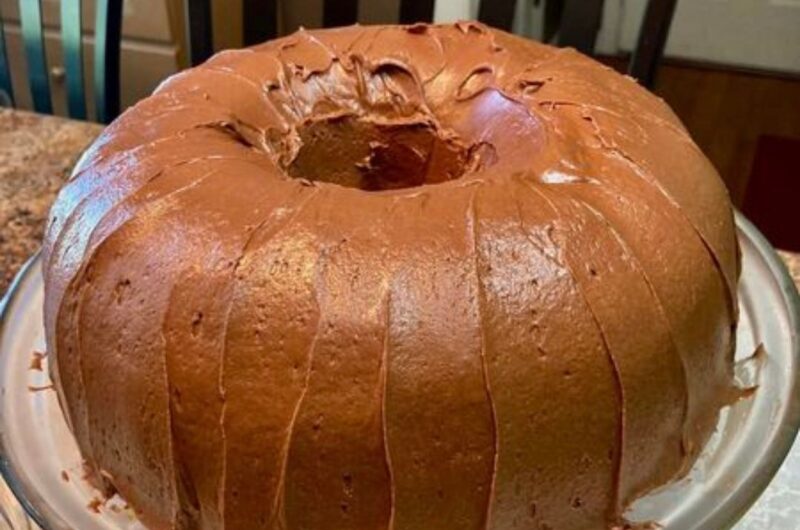
1 2 3 4 Cake: A Century-Old Delight
Course: Irresistible DessertsCuisine: AmericanDifficulty: Easy10
minutes30
minutesIngredients
Unsalted butter 1 cup 227 g Room temperature
Sugar 2 cups 400 g Granulated
All-purpose flour 3 cups 375 g Sifted
Eggs 4 Large
Milk 1 cup 240 ml Room temperature
Baking powder 2 tsp 8 g Leavening agent
Vanilla extract 1 tsp 5 ml Optional but adds depth
Salt ½ tsp 2 g Balances sweetness
Directions
- Preheat your oven to 350°F (175°C). Grease and flour two 9-inch (23-cm) round cake pans.
- Cream the butter and sugar together until light and fluffy, about 4–5 minutes. This step builds air into the batter.
- Add the eggs one at a time, mixing well after each addition.
- In another bowl, sift the flour, baking powder, and salt together.
- Alternate adding the dry mixture and milk to the butter mixture, starting and ending with flour. Mix gently.
- Stir in vanilla for aroma.
- Pour the batter evenly into the prepared pans.
- Bake for 30–35 minutes, or until a toothpick comes out clean.
- Cool the cakes for 10 minutes before transferring to a wire rack.
Recipe Video
Notes
- Tips for Perfecting Your 1 2 3 4 Cake
Even simple recipes have their secrets. If you want your cake to turn out bakery-quality every time, these small tweaks make a big difference.
Common Mistakes to Avoid
Overmixing: Once you add the flour, stir only until combined. Overmixing toughens the crumb.
Cold Ingredients: Room temperature butter, eggs, and milk blend more evenly.
Skipping the Sift: Sifting aerates the flour, preventing dense texture.
Baking Time Guesswork: Always test with a toothpick — ovens vary more than you think.
Expert Tips
Cream longer than you think. Butter and sugar should look pale and fluffy before adding eggs.
Try cake flour instead of all-purpose for a softer crumb.
Add a pinch of nutmeg or almond extract if you want a subtle twist.
Cool completely before frosting. A warm cake melts frosting and ruins texture.