There is a distinct moment during the weekday rush when the momentum of a long schedule catches up with you. The clock ticks past 5:30 PM, your energy levels dip, and the familiar question of what to cook for dinner begins to loom. You want a meal that delivers deep, satisfying, comforting flavors, but your patience for managing multiple boiling pots, complex timers, and a sink overflowing with prep bowls is entirely depleted. We have all experienced those evenings where the desire for a homemade meal collides with absolute physical exhaustion.
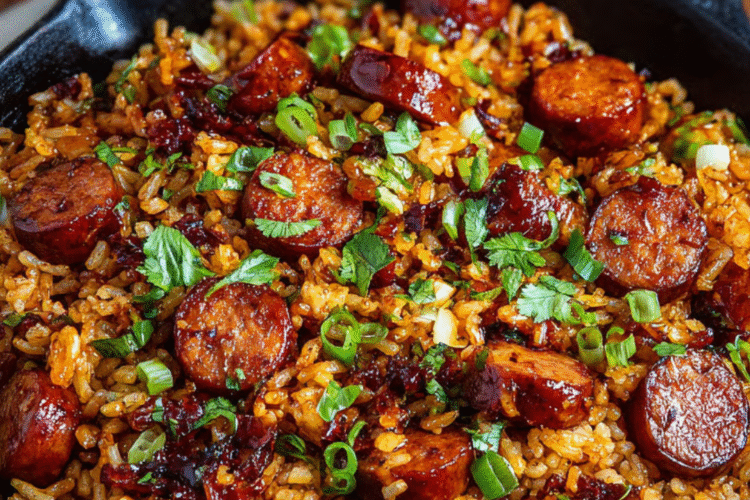
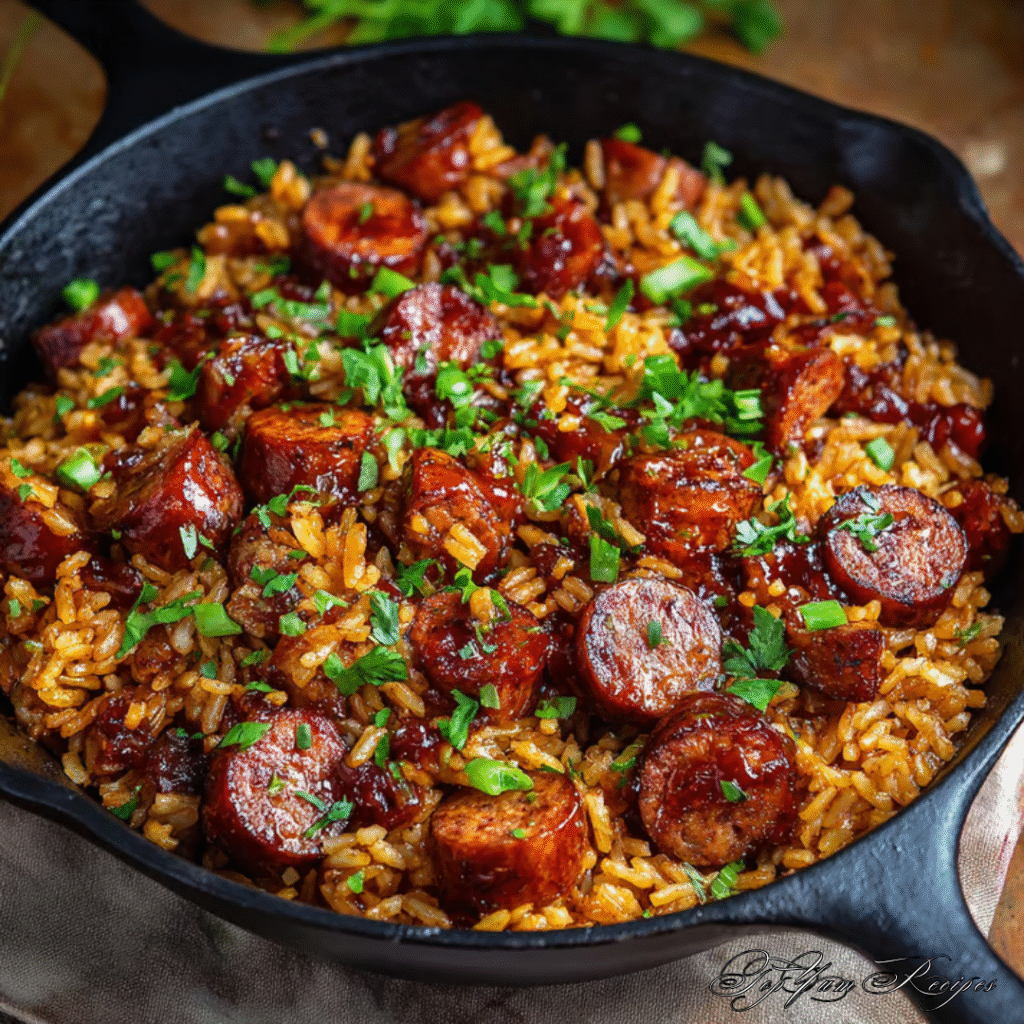
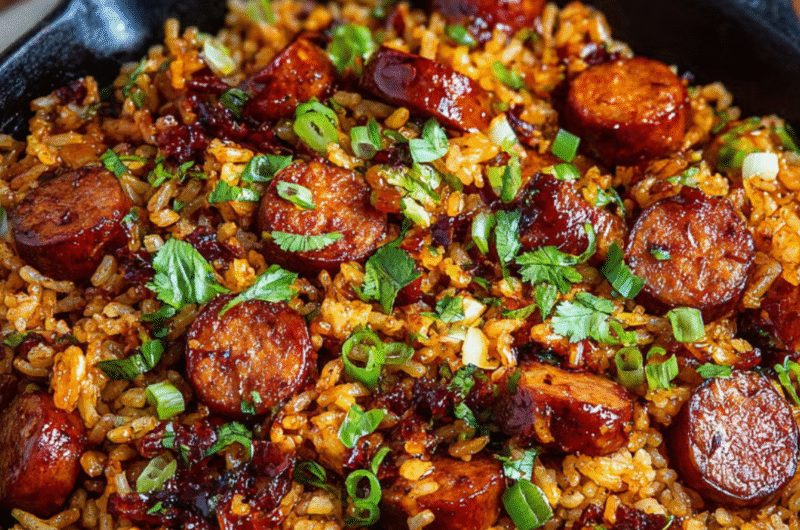
This One-Pan Sweet Tangy BBQ Sausage is engineered precisely for those high-stress windows. Consider this recipe a culinary sigh of relief. As the rich, smoky glaze bubbles away in a single skillet, caramelizing beautifully against the savory, seared edges of the meat, your kitchen fills with an aroma that instantly signals comfort. This dish is not about cutting corners on taste or settling for a bland quick-fix; it is about utilizing smart flavor pairings to maximize your output while minimizing your effort. You get to reclaim your evening, lower the stakes of dinner prep, and serve a meal that makes everyone at the table happy—especially the person responsible for cleaning up.
Why the One-Pan Method is a Modern Kitchen Essential
In the realm of efficient home cooking, the single-vessel technique is far more than a passing trend. It is a structural approach to meal creation that optimizes thermodynamics and flavor preservation. When you prepare every component of a meal in one skillet, you create a continuous chain of flavor development.
The Chemistry of the Skillet Glaze
When you use multiple pans, precious oils, caramelized sugars, and browned protein bits are scattered and ultimately washed down the drain. In a single pan, those elements remain trapped in the cooking ecosystem.
- The Rendered Base: The initial fat rendered from searing the sausage acts as the cooking medium for your vegetables, infusing them with smoky undertones from the very start.
- Emulsification: As the sweet and acidic ingredients enter the hot pan, they combine with the rendered fats and pan residue. This creates a stable emulsification—a glossy, cohesive glaze that clings tenaciously to the ingredients rather than pooling watery at the bottom of the plate.
- Moisture Control: A wide skillet allows steam to escape rapidly, which promotes quick reduction of liquid. This is how you achieve a sticky, jam-like barbecue coating in under ten minutes without needing heavy starches or thickeners.
The Master Ingredient Blueprint
To achieve the perfect equilibrium between sweet, smoky, and acidic profiles, your choice of ingredients matters. Because this recipe relies on a streamlined list of components, selecting high-impact staples ensures your glaze reaches its full potential.
One-Pan Sweet Tangy BBQ Sausage Ingredient Profile
| Ingredient | Optimal Variety | Structural Role in the Dish |
| Sausage | Smoked Kielbasa or Turkey Sausage | Provides the dense, savory, salty foundation and built-in wood-smoke flavor. |
| Barbecue Sauce | Hickory or Kansas City Style | Acts as the thick, tomato-and-molasses base for the glaze. |
| Sweet Element | Pure Honey or Dark Maple Syrup | Adds a bright, glossy sweetness that rounds out the heavy spices. |
| Tangy Element | Apple Cider Vinegar & Dijon Mustard | Cuts directly through the rich fat, brightens the palate, and prevents cloying sweetness. |
| Aromatics | Crisp Bell Peppers & Sweet Vidalia Onions | Introduces natural moisture, textural contrast, and a fresh crunch. |
Step-by-Step Skillet Instructions: From Pantry to Plate
Executing this dish requires no advanced culinary training, but the order of operations is essential for building the proper depth of flavor. Follow this sequence to ensure a flawless result.
1. The Perfect Sear
Place your large skillet over medium-high heat. Slice your smoked sausage into uniform, coin-shaped rounds roughly one-half inch thick. Add a tiny splash of neutral oil to the pan if you are using a lean turkey sausage, or let the traditional kielbasa hit the dry pan directly.
Arrange the coins in a single layer. Let them cook undisturbed for 3 to 4 minutes until a deep, mahogany crust forms on the bottom, then flip. This browning process—known scientifically as the Maillard reaction—creates complex flavor compounds that simple boiling or steaming can never reproduce. Once seared, lift the sausage out with a slotted spoon and set it aside on a plate, leaving the rich oil behind in the pan.
2. Sautéing the Aromatics
Turn the heat down to medium. Toss your chopped sweet onions and vibrant bell peppers directly into the remaining sausage fat. Use a wooden spoon to scrape up any browned bits stuck to the bottom of the skillet.
Sauté the vegetables for 4 to 5 minutes. You want the onions to turn translucent and the peppers to soften slightly around the edges while still maintaining a crisp, structural bite. Cooking them in the rendered fat ensures they absorb the savory identity of the meat.
3. Whisking the Sweet and Tangy Glaze
While the vegetables soften, quickly whisk your barbecue sauce, honey, apple cider vinegar, and Dijon mustard together in a small measuring cup. This pre-mixing prevents any single ingredient from scorching when it hits the hot cast iron or stainless steel.
4. The Reduction and Assembly
Pour the glaze mixture directly over the sautéed vegetables. Slide the seared sausage coins back into the skillet along with any juices that accumulated on the plate. Stir everything thoroughly to ensure every surface is coated.
Bring the liquid to a gentle simmer, then reduce the heat to medium-low. Let the dish bubble uncovered for 5 to 7 minutes. As the moisture evaporates, the sauce will transform from a thin liquid into a thick, shimmering lacquer that wraps smoothly around the sausage and vegetables. Once the glaze looks sticky and holds its shape when you draw a spoon through the pan, remove it from the stove.

Flavor Extensions: Tailoring the Skillet to Your Taste
While the base recipe offers a flawless balance of sweet and sharp notes, you can easily adapt the flavor profile to match whatever ingredients you happen to have in your refrigerator.
The Sweet Heat Upgrade
If your household prefers a bold kick to clear the senses, introduce a heat element during the final simmering stage. A teaspoon of crushed red pepper flakes, a fine mince of fresh jalapeño cooked alongside the onions, or a generous splash of aged cayenne hot sauce mixed into the barbecue base creates a captivating contrast. The natural sugars in the honey and barbecue sauce temper the capsaicin, giving you a smooth, warming heat rather than a sharp burn.
The Tropical Twist
For a bright, summery variation that pairs beautifully with smoked ham or pork-based sausages, clear a small space in your skillet during the vegetable stage and toss in a half-cup of diced fresh pineapple chunks. The fruit sugars caramelize rapidly under high heat, and the natural bromelain in the pineapple adds a tropical acidity that amplifies the tangy side of your sauce.
Meal Prep, Storage, and Reheating Guidelines
This recipe is an exceptional candidate for batch cooking and meal management due to the stability of the glaze and the durability of smoked proteins.
- Refrigeration: Transfer your cooled leftovers into glass, airtight containers. The dish will remain exceptionally fresh for up to four days. In fact, as it sits in the refrigerator, the flavors within the glaze continue to meld, often making the leftovers taste even more integrated on day two.
- Freezer Assembly: If you prefer to prep your weeknight meals days or weeks in advance, you can slice the raw vegetables and sausage, place them into a heavy-duty freezer bag, and pour the whisked glaze ingredients over the top. Seal the bag, mix it with your hands to distribute the sauce, and freeze flat for up to three months. When you are ready to cook, thaw the bag completely in the refrigerator overnight and dump the contents straight into a hot skillet.
- The Reheat Process: Avoid using the microwave if you want to preserve the optimal texture of the dish. A microwave can cause the oils in the sausage to separate from the sugars in the glaze, resulting in a greasy plate. Instead, place the leftovers back into a small skillet over medium-low heat with a single tablespoon of water. Cover the pan for two minutes to let the steam heat the center of the sausage, then uncover and stir for one minute to bring the sticky glaze back to life.
Frequently Asked Questions (FAQ)
What type of sausage works best for this One-Pan Sweet Tangy BBQ Sausage?
Pre-cooked smoked sausages like Kielbasa, traditional smoked pork sausage, or smoked turkey links yield the best results. Because they are already cured and smoked, they can withstand a high-heat sear without drying out, and they significantly reduce your overall cooking time. If you choose to use raw sausage links (such as sweet Italian sausage), you must cook them through completely in the pan before slicing and continuing with the recipe.
Can I make this dish lower in sugar?
Absolutely. To create a version that aligns with lower-glycemic or keto preferences, swap out your standard barbecue sauce for a high-quality sugar-free alternative. Replace the honey with a monk fruit or allulose-based maple syrup substitute. The vinegar and mustard will still provide that essential tangy balance, giving you the same glossy texture without the heavy carbohydrate load.
Why is my sauce too thin, and how do I fix it?
If your glaze looks more like a soup than a sticky coating, it simply means there is still too much water left in the pan—often caused by overcrowding the skillet or using high-moisture frozen vegetables. Turn your heat up to medium-high and let the dish boil uncovered for an additional 2 to 3 minutes, stirring constantly to prevent the bottom from scorching. The excess water will evaporate quickly, leaving behind a thick, concentrated syrup.
Reclaim Your Dinner Routine
Great cooking does not require complex equipment or long hours of standing on your feet after an exhausting workday. The One-Pan Sweet Tangy BBQ Sausage proves that with a solid understanding of flavor contrast and a single reliable skillet, you can deliver a restaurant-quality meal that satisfies your cravings and respects your time. It is a savory, sweet, and wonderfully efficient solution to the weeknight dinner puzzle.
How do you plan to serve your skillet sausage? Do you prefer to pile these sticky, glazed coins over a bed of fluffy jasmine rice, spoon them alongside a mountain of garlic mashed potatoes, or tuck them into a toasted hoagie roll for an ultimate sandwich experience? We want to hear your creative ideas! Leave a comment below with your favorite serving styles, and make sure to share this guide with a friend who needs a stress-free dinner win this week!
The Ultimate Guide to One-Pan Sweet Tangy BBQ Sausage
Course: Dinner DelightsCuisine: AmericanDifficulty: Easy4
servings5
minutes15
minutes20
minutesIngredients
Sausage
Smoked Kielbasa or Turkey Sausage
Provides the dense, savory, salty foundation and built-in wood-smoke flavor.Barbecue Sauce
Hickory or Kansas City Style
Acts as the thick, tomato-and-molasses base for the glaze.Sweet Element
Pure Honey or Dark Maple Syrup
Adds a bright, glossy sweetness that rounds out the heavy spices.Tangy Element
Apple Cider Vinegar & Dijon Mustard
Cuts directly through the rich fat, brightens the palate, and prevents cloying sweetness.Aromatics
Crisp Bell Peppers & Sweet Vidalia Onions
Introduces natural moisture, textural contrast, and a fresh crunch.
Directions
- 1. The Perfect Sear
Place your large skillet over medium-high heat. Slice your smoked sausage into uniform, coin-shaped rounds roughly one-half inch thick. Add a tiny splash of neutral oil to the pan if you are using a lean turkey sausage, or let the traditional kielbasa hit the dry pan directly.
Arrange the coins in a single layer. Let them cook undisturbed for 3 to 4 minutes until a deep, mahogany crust forms on the bottom, then flip. This browning process—known scientifically as the Maillard reaction—creates complex flavor compounds that simple boiling or steaming can never reproduce. Once seared, lift the sausage out with a slotted spoon and set it aside on a plate, leaving the rich oil behind in the pan. - 2. Sautéing the Aromatics
Turn the heat down to medium. Toss your chopped sweet onions and vibrant bell peppers directly into the remaining sausage fat. Use a wooden spoon to scrape up any browned bits stuck to the bottom of the skillet.
Sauté the vegetables for 4 to 5 minutes. You want the onions to turn translucent and the peppers to soften slightly around the edges while still maintaining a crisp, structural bite. Cooking them in the rendered fat ensures they absorb the savory identity of the meat. - 3. Whisking the Sweet and Tangy Glaze
While the vegetables soften, quickly whisk your barbecue sauce, honey, apple cider vinegar, and Dijon mustard together in a small measuring cup. This pre-mixing prevents any single ingredient from scorching when it hits the hot cast iron or stainless steel. - 4. The Reduction and Assembly
Pour the glaze mixture directly over the sautéed vegetables. Slide the seared sausage coins back into the skillet along with any juices that accumulated on the plate. Stir everything thoroughly to ensure every surface is coated.
Bring the liquid to a gentle simmer, then reduce the heat to medium-low. Let the dish bubble uncovered for 5 to 7 minutes. As the moisture evaporates, the sauce will transform from a thin liquid into a thick, shimmering lacquer that wraps smoothly around the sausage and vegetables. Once the glaze looks sticky and holds its shape when you draw a spoon through the pan, remove it from the stove.
Recipe Video
Notes
- The Tropical Twist
For a bright, summery variation that pairs beautifully with smoked ham or pork-based sausages, clear a small space in your skillet during the vegetable stage and toss in a half-cup of diced fresh pineapple chunks. The fruit sugars caramelize rapidly under high heat, and the natural bromelain in the pineapple adds a tropical acidity that amplifies the tangy side of your sauce.