Think about your typical Saturday morning. You likely envision the scent of maple syrup and the sound of sizzling butter. However, for the person behind the stove, that vision often involves standing over a hot griddle for forty-five minutes, flipping circles of batter while everyone else eats together at the table. By the time you finally sit down with your own plate, the coffee is lukewarm, and the conversation has moved on.
It is time to change that narrative. The pancake breakfast casserole is the culinary breakthrough that restores your morning. It transforms the labor-intensive process of pancake making into a streamlined, elegant, and incredibly delicious oven-baked feast. Whether you are hosting a holiday brunch or simply trying to feed a hungry family before a busy day, this dish ensures that you actually get to enjoy the meal you worked so hard to create.
Why You’ll Never Go Back to the Griddle
The beauty of a pancake breakfast casserole lies in its versatility and its texture. Unlike traditional pancakes, which can sometimes become soggy if stacked too high, a casserole offers a delightful contrast. The bottom layers soak up a sweet, vanilla-scented custard, while the exposed edges of the pancakes turn golden and crisp in the oven’s heat.
The Benefits of Baking Your Breakfast
- Simultaneous Serving: Everyone eats at the same time. No “shifts,” no cold plates.
- Texture Mastery: You get the fluffiness of a pancake combined with the rich, pudding-like interior of a French toast bake.
- Pre-Prep Potential: You can assemble the components ahead of time, meaning you only have to turn on the oven when you wake up.
- Customization: It is remarkably easy to split the dish—half blueberry for the kids, half pecan and cinnamon for the adults.
Essential Ingredients for the Perfect Bake
To achieve the ideal balance of flavors, you need a mix of structural ingredients and aromatic enhancers. The secret to a non-soggy casserole is using pancakes that have a bit of “sturdy” integrity.
Pancake Breakfast Casserole Ingredient Table
| Ingredient | Quantity | Role in the Dish |
| Prepared Pancakes | 12–16 pieces | The foundation; store-bought or homemade both work. |
| Large Eggs | 5 | The binding agent for the custard base. |
| Whole Milk | 1.5 Cups | Provides the necessary moisture and richness. |
| Maple Syrup | 1/4 Cup | Infuses the entire bake with classic sweetness. |
| Unsalted Butter | 3 tbsp (Melted) | Adds that essential “griddle-cooked” flavor. |
| Vanilla Extract | 1 tbsp | Elevates the aroma and rounds out the sugar. |
| Cinnamon | 1.5 tsp | Adds warmth and visual appeal. |
| Fresh Berries | 1 Cup | Optional, for bursts of tartness. |
Step-by-Step Instructions: Mastering the Method
Creating a pancake breakfast casserole is more about assembly than actual cooking. Follow these steps to ensure a consistent result every time.
1. Preparing the Pancakes
You have three choices here:
- The Leftover Method: Use pancakes you made earlier in the week.
- The Store-Bought Shortcut: High-quality frozen or bakery-style pancakes are excellent time-savers.
- The Sheet Pan Hack: Bake a large sheet of pancake batter in a jelly roll pan, then cut it into squares.
2. The Custard Whisk
In a large mixing bowl, combine your eggs, milk, vanilla, and cinnamon. Whisk vigorously until the eggs are fully incorporated and the mixture is frothy. This aeration helps the casserole rise slightly while baking.
3. The “Shingle” Arrangement
Grease a 9×13-inch baking dish. Arrange your pancakes in two rows, overlapping them like shingles on a roof. This “shingling” technique is vital; it ensures that every bite has both a custard-soaked section and a crispy edge.
4. The Pour and Soak
Drizzle your melted butter over the pancakes first—this helps create a fat barrier that prevents the bread from becoming mushy. Then, pour the egg mixture evenly over the top. Use a spatula to gently press the pancakes down, ensuring they all come into contact with the liquid.
5. The Golden Bake
Slide the dish into an oven preheated to $350^circ F$ ($177^circ C$). Bake for 25 to 30 minutes. You are looking for the center to be “set” (it shouldn’t jiggle like liquid when shaken) and the tops to be toasted brown.
Elevating Your Casserole: Flavor Variations
Once you have mastered the basic pancake breakfast casserole, you can start experimenting with flavors that suit your family’s specific palate.
The Savory Twist
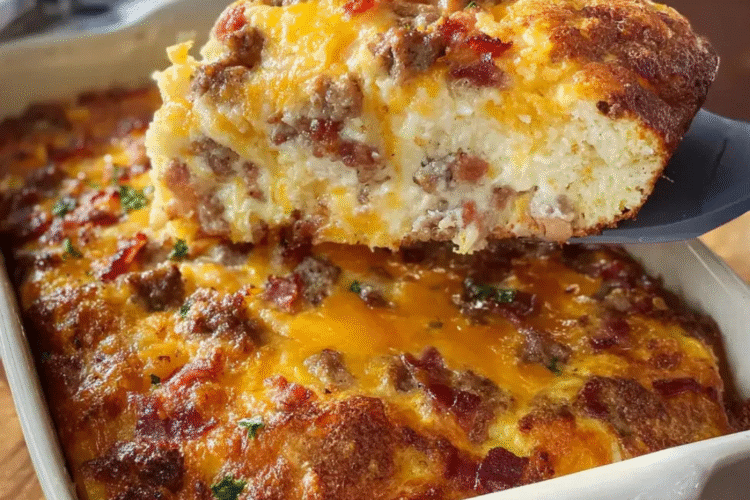
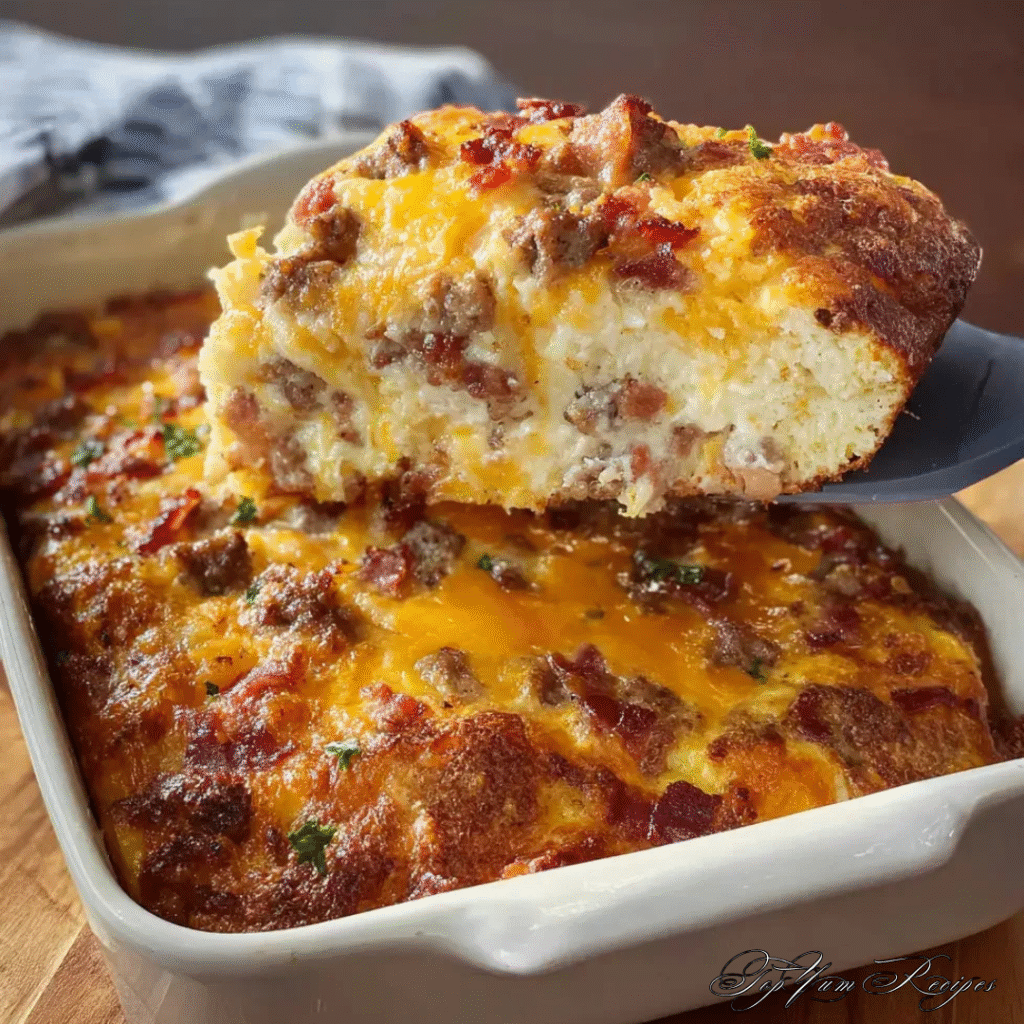
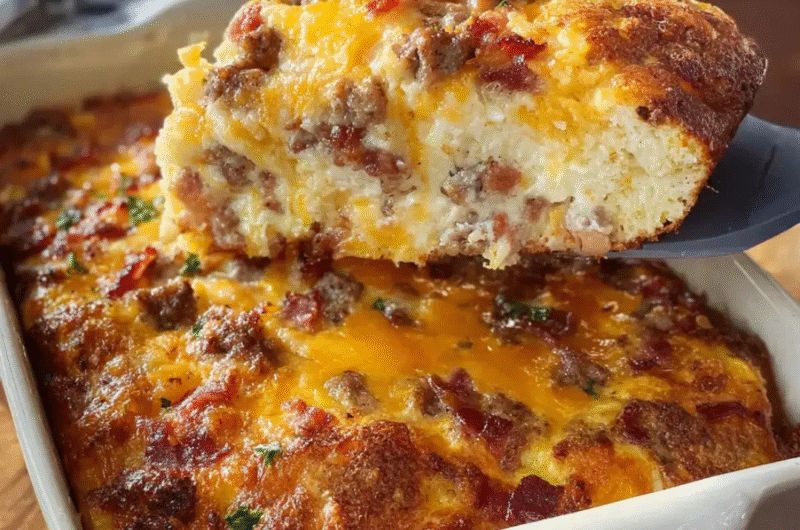
If you prefer a salty start to your day, omit the cinnamon and reduce the maple syrup to one tablespoon. Layer in cooked breakfast sausage crumbles, crispy bacon bits, and a generous sprinkling of sharp cheddar cheese between the pancake shingles. The result is a “McGriddle” style bake that satisfies every craving.
The Nutty Crunch
Add a layer of texture by topping your casserole with chopped pecans or walnuts and a dusting of brown sugar five minutes before the baking time is up. The sugar will caramelize with the nuts, creating a “praline” crust that contrasts beautifully with the soft interior.
Pro-Tips for Success
- Avoid Over-Soaking: Unlike bread pudding, pancakes are porous and soft. If you let them soak overnight, they may dissolve into a paste. A 20-minute soak is usually the sweet spot.
- Temperature Matters: Use room-temperature eggs and milk. Cold liquids can cause your melted butter to seize up into small clumps, leading to uneven distribution of fat.
- Resting Time: Allow the casserole to sit for 5 to 10 minutes after taking it out of the oven. This allows the custard to fully firm up, making it easier to slice clean squares.
Frequently Asked Questions (FAQ)
Can I use pancake mix to make this pancake breakfast casserole?
Yes! You can either bake the pancakes traditionally first and then assemble the casserole, or you can use a “pour-over” method where you pour thin pancake batter over your fillings. However, the “shingle” method using pre-cooked pancakes provides a much more sophisticated texture.
Is it possible to make this dairy-free?
Absolutely. You can substitute the whole milk for unsweetened almond, soy, or oat milk. Use a vegan butter substitute or coconut oil for the greasing and drizzling.
How do I reheat leftovers?
The pancake breakfast casserole reheats surprisingly well. To keep the edges crisp, avoid the microwave if possible. Instead, place a slice in an air fryer at $320^circ F$ for 4 minutes or in a toaster oven.
Conclusion: Reclaim Your Morning
The pancake breakfast casserole represents a shift in how we think about hosting and family meals. It moves the focus away from the labor of cooking and places it back where it belongs: on the people at the table. By utilizing simple ingredients and a clever assembly method, you can serve a gourmet-style breakfast that looks and tastes like it took hours, but only required minutes of your active time.
What is your favorite pancake topping? Whether you are a purist who loves classic maple syrup or a wild-card who goes for lemon curd and berries, we want to hear from you! Leave a comment below with your favorite variation, and don’t forget to share a photo of your golden-brown masterpiece on social media!
The Ultimate Guide to the Pancake Breakfast Casserole: A New Morning Tradition
Course: Morning FavoritesCuisine: AmericanDifficulty: Easy8-10
servings10
minutes20
minutes45
minutesIngredients
Prepared Pancakes
12–16 pieces
The foundation; store-bought or homemade both work.Large Eggs
5
The binding agent for the custard base.Whole Milk
1.5 Cups
Provides the necessary moisture and richness.Maple Syrup
1/4 Cup
Infuses the entire bake with classic sweetness.Unsalted Butter
3 tbsp (Melted)
Adds that essential “griddle-cooked” flavor.Vanilla Extract
1 tbsp
Elevates the aroma and rounds out the sugar.Cinnamon
1.5 tsp
Adds warmth and visual appeal.Fresh Berries
1 Cup
Optional, for bursts of tartness.
Directions
- 1. Preparing the Pancakes
You have three choices here:
The Leftover Method: Use pancakes you made earlier in the week.
The Store-Bought Shortcut: High-quality frozen or bakery-style pancakes are excellent time-savers.
The Sheet Pan Hack: Bake a large sheet of pancake batter in a jelly roll pan, then cut it into squares. - 2. The Custard Whisk
In a large mixing bowl, combine your eggs, milk, vanilla, and cinnamon. Whisk vigorously until the eggs are fully incorporated and the mixture is frothy. This aeration helps the casserole rise slightly while baking. - 3. The “Shingle” Arrangement
Grease a 9×13-inch baking dish. Arrange your pancakes in two rows, overlapping them like shingles on a roof. This “shingling” technique is vital; it ensures that every bite has both a custard-soaked section and a crispy edge. - 4. The Pour and Soak
Drizzle your melted butter over the pancakes first—this helps create a fat barrier that prevents the bread from becoming mushy. Then, pour the egg mixture evenly over the top. Use a spatula to gently press the pancakes down, ensuring they all come into contact with the liquid. - 5. The Golden Bake
Slide the dish into an oven preheated to 0^circ F$ (7^circ C$). Bake for 25 to 30 minutes. You are looking for the center to be “set” (it shouldn’t jiggle like liquid when shaken) and the tops to be toasted brown.
Recipe Video
Notes
- Pro-Tips for Success
Avoid Over-Soaking: Unlike bread pudding, pancakes are porous and soft. If you let them soak overnight, they may dissolve into a paste. A 20-minute soak is usually the sweet spot.
Temperature Matters: Use room-temperature eggs and milk. Cold liquids can cause your melted butter to seize up into small clumps, leading to uneven distribution of fat.
Resting Time: Allow the casserole to sit for 5 to 10 minutes after taking it out of the oven. This allows the custard to fully firm up, making it easier to slice clean squares.